Discover Rome top Patio Builder offering personalized outdoor living solutions
Discover Rome top Patio Builder offering personalized outdoor living solutions
Blog Article
Why Pick a Skilled Patio Builder for Your Dream Outdoor Space?
Hiring a qualified patio builder can substantially impact the success of an outdoor living space. Their expertise confirms that design, construction, and local regulations are all masterfully managed. These experts not only direct sophisticated projects but also procure durable options designed for the environment. As the planning takes shape, residents often contemplate how these decisions will strengthen their exterior enjoyment and home's worth. The answers may surprise them as they examine their options.
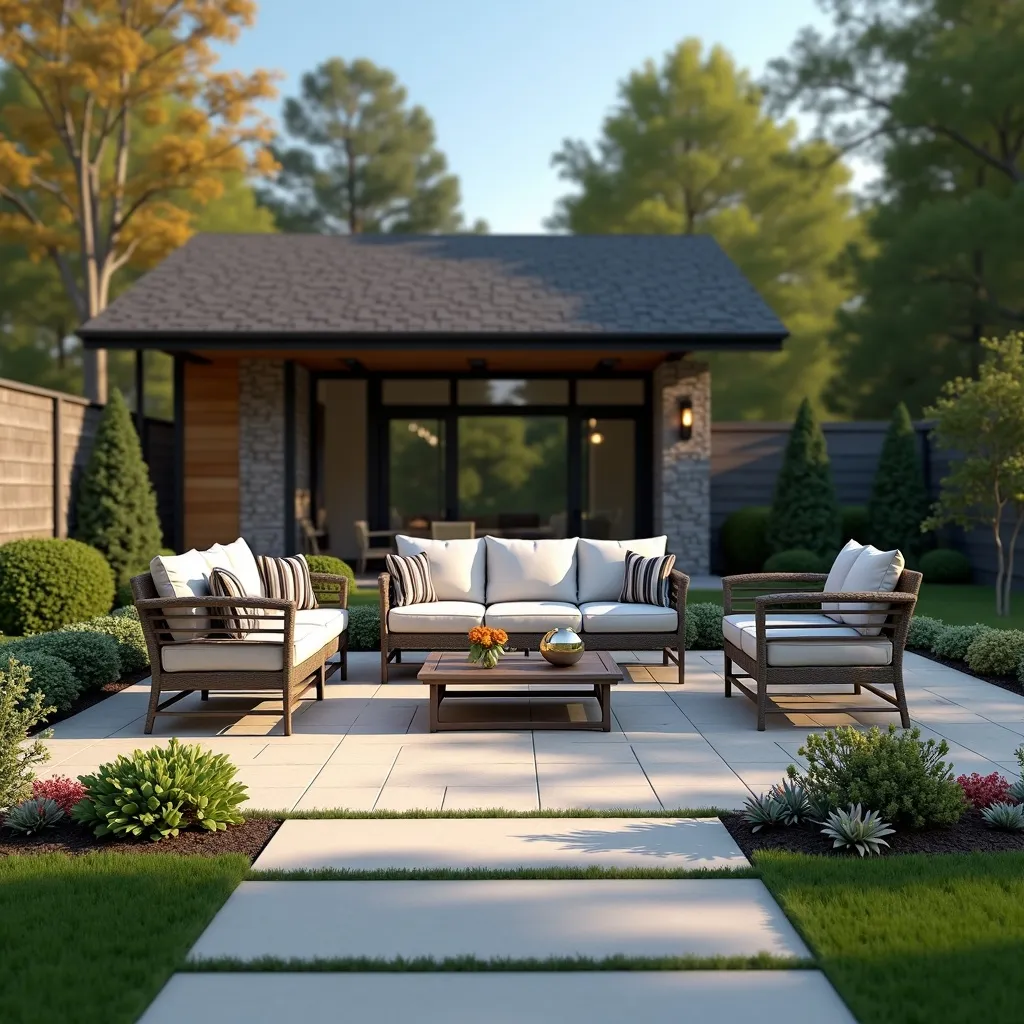
The Skill of Experienced Patio Builders
Professional patio contractors provide a wealth of expertise that transforms outdoor spaces into attractive and practical areas. Their comprehensive background and skills enable them to evaluate site conditions, suggest suitable materials, and develop designs that complement existing landscapes.
With understanding of local building codes and regulations, they ensure compliance and safety in every project.
Furthermore, qualified builders are equipped with the suitable tools and approaches to perform sophisticated designs adeptly. They comprehend the intricacies of drainage, soil stability, and weather considerations, which are essential for the longevity of a patio.
Their meticulous attention to detail and quality craftsmanship yields a finished product that increases property value and usability. By consulting with clients, these professionals can tailor solutions that address specific needs and preferences, ultimately presenting a customized outdoor experience.
Opting for a professional patio builder ensures a seamless journey from initial idea to final delivery, backed by excellent craftsmanship and consistent assistance.
How to Characterize Your Coveted Patio Format
What are the best ways to create your dream patio aesthetic? First, homeowners should assess their daily habits and how they plan to occupy the space. A family-centered design may incorporate zones for children to play, while an entertaining space might highlight comfortable seating and entertainment features.
Subsequently, analyzing the existing landscape is crucial; the patio should match the home and neighboring landscape.
Materials are fundamental in design, and picking options that match personal taste and durability is important. One should also consider aesthetics, contemplating colors, textures, and patterns that will establish a cohesive look.
Finally, it's advisable to amass ideas from numerous sources, such as home improvement websites or social media platforms. By gathering images and ideas, individuals can form a vision board that clearly communicates their desired outcome, facilitating a more fruitful collaboration with a professional patio builder.
What You Need to Know About Local Rules?
Following local requirements is necessary when preparing for a patio project. Homeowners must understand zoning guidelines, which dictate where features can be developed on their grounds. These regulations change notably by location and can influence the size, vertical extent, and orientation of a patio.
Building permits may be required, and the application process can entail providing comprehensive documentation for approval.
In addition, homeowners should be aware of setback regulations, which establish the distance a patio must have from property lines or current buildings. Local building codes also manage safety standards, guaranteeing the patio is built to withstand environmental factors.
Not complying to these regulations can result in fines or the requirement to dismantle the patio. Hiring a experienced patio contractor can simplify this undertaking, as they are knowledgeable in regional get details laws and can guarantee that the project follows all necessary guidelines.
Opting for Enduring and Engaging Materials
When determining materials for a patio, wear resistance and visual charm are important factors.
Property owners should evaluate not only the durability and maintenance needs of different materials but also how they contribute to the overall design.
Additionally, economical options can enhance both functionality and aesthetic quality while staying within spending limits.
Material Lifespan and Support
Determining the suitable materials for a patio enhances its appearance and impacts both its lifespan and maintenance simplicity. sturdy materials, including natural stone, concrete, or premium pavers, endure different weather conditions, decreasing the requirement for constant repairs.
Furthermore, choosing stain-resistant stains, mold, and fading can greatly decrease regular upkeep demands. For instance, sealed concrete can provide a durable surface with little maintenance, while certain composite materials can mimic wood without the risk of rotting.
Ultimately, investing in resilient materials can result in considerable cost savings over time, as they contribute to a patio that stays practical and appealing for years to come, reducing the need for replacements or extensive maintenance.
Aesthetic Charm and Style
In what way can a patio's layout blend with its surroundings while preserving longevity? Selecting the appropriate materials is crucial for attaining both aesthetic appeal and structural integrity.
Seasoned patio contractors often suggest stone materials like granite or slate, which enhance diverse landscapes and also endure harsh weather conditions. In addition, composite materials offer an attractive, minimal upkeep option that replicates the look of wood while avoiding susceptibility to rot.
Color schemes and textures must match the home's architecture and the local setting, creating a cohesive look. Integrating patterns or unique design elements can elevate the overall appeal, ensuring the patio functions as a focal point.
In the end, a well-designed patio boosts outdoor living while standing the test of time.
Inexpensive Component Alternatives
While managing budget constraints and aesthetic desires, homeowners benefit from exploring a range of inexpensive alternatives for their patios.
Options including stamped concrete and paving stones offer resilience and aesthetic charm without excessive spending. Stamped concrete can imitate stone finishes or ceramic tile, offering a elegant look at a budget-friendly price.
Pavers, available in various colors and forms, allow for creative patterns and simple repairs. Additionally, composite decking offers a minimal-upkeep option to conventional wood, withstanding rot and fading over time.
Preserving Time and Reducing Tension With Professional Support
Hiring a professional patio builder can considerably simplify the construction process, reducing the burdens typically associated with home improvement projects. By leveraging their expertise, homeowners can circumvent the common pitfalls of DIY endeavors, such as miscalculations or delays.
Professional builders possess the required expertise, equipment, and understanding needed to execute the project effectively, ensuring timely completion.
Furthermore, these experts handle all operational details, such as permits, inspections, and scheduling, which can be daunting for an inexperienced person. This oversight considerably reduces stress, allowing homeowners to focus on other obligations.
Additionally, with a seasoned professional leading the way, potential tensions with subcontractors or suppliers are diminished, further strengthening the experience.
In the end, hiring a professional patio builder not only saves time but also delivers peace of mind, converting the patio vision into reality without the associated hassle of do-it-yourself projects.
Boost Your Home's Value With a Custom Patio
A personalized patio not only improves the outdoor look but also enhances the overall value of a home. Potential buyers often look for properties featuring functional outdoor areas, with a strategically planned patio being a major asset. By using quality materials alongside unique design elements, homeowners can build an inviting atmosphere that appeals to a broad spectrum of buyers.
In addition, a tailored outdoor space can expand the functional living area, making it perfect for entertaining people or appreciating peaceful evenings outdoors. This supplementary space effectively raises the residence's total square footage, which can be a significant consideration in real estate valuations.
Investing in a professional patio builder guarantees that the undertaking meets high standards of craftsmanship and durability, additionally improving the outdoor space's attractiveness.
In the end, a well-planned patio not only elevates your routine lifestyle but also serves as a prudent financial commitment that can deliver notable value when the home is sold.
How to Care for Your New Patio
Maintaining a new patio is essential for protecting its look and longevity.
Developing a regular cleaning schedule and integrating seasonal maintenance tips can help guarantee it stays in ideal condition.
Establish a Periodic Sanitation Agenda
Developing a regular cleaning schedule is crucial for maintaining the splendor and lasting value of a new patio. Routine maintenance works to clear sediment, foliage, and waste that can accumulate over time, which could create stains or damage.
Weekly inspections allow homeowners to handle small concerns before they become severe. This involves sweeping away loose particles and hosing down the surface to stop grime buildup.
For more intensive care, a heavy-duty scrubbing every few months is advised, using fitting cleaning solutions suited to the patio material.
Additionally, periodically applying protective sealants can defend against weathering and stains. By keeping up with a consistent cleaning routine, homeowners can assure their outdoor space stays inviting and functional for years to come.
Seasonal Service Recommendations
Although patios provide a stunning outdoor space, regular upkeep is essential for guaranteeing their durability and aesthetics. Homeowners should begin by inspecting the patio for cracks or damage, addressing issues promptly to avoid further decline.
Starting in spring, a detailed cleaning, including power washing, eliminates dirt and debris, and sealing surfaces prevent moisture damage. Over summer, consistent sweeping and area-specific cleaning sustain the space attractive.
When autumn approaches, removing fallen leaves is essential to stop mold and mildew buildup. Winter care includes removing snow and ice to prevent deterioration from freeze-thaw cycles.
Frequently Asked Questions
How Much Time Does It Normally Take to Construct a Patio?
Generally, building a patio takes anywhere from a few days to a couple of weeks, depending on factors like dimensions, materials, and site conditions. Weather and design complexity can also modify the timeline considerably.
What Protection Do Licensed Building Professionals Include for Their Construction?
Professional builders typically offer guarantees ranging from one to five years, including coverage for workmanship and materials. These guarantees provide homeowners with confidence, guaranteeing that any issues resulting from the construction will be resolved promptly.
Can I Personalize My Patio Design Throughout Construction?
Yes, a homeowner can alter their patio design during construction. Professional builders typically engage with clients, allowing adjustments to layouts, materials, and features to ensure the final product meets the homeowner's desires and requirements.
What should I handle if I possess a restricted Budget?
To manage a tight budget, one should focus on key features, explore cost-effective materials, and think about staged building. Consulting with a professional can also provide insights on increasing worth while staying within financial constraints.
Are there seasonal considerations for patio building?
When planning patio work, account for seasonal elements like weather conditions, material supply, and temperature swings. Spring and early fall offer the best timing for setup, whereas summer heat and winter frost may slow progress and compromise material integrity.
Report this page